Families generally begin looking at memory care after a crisis. A wandering occurrence. A cooking area fire that might have been even worse. A fall that exposed just just how much confusion has actually crept in. By the time you are comparing cottage-style homes to large locked systems, you are currently carrying a heavy mix of regret, urgency, and exhaustion.
Having operated in senior care settings of both kinds, I have actually watched households agonize over this same choice. There is no universal "best answer". There is just the very best suitable for this specific individual, in this specific season of their illness, with this specific household supporting them.
This short article looks carefully at the compromises between little, intimate cottage-style memory care homes and bigger, standard protected units, often part of a big assisted living or continuing care school. The goal is not to crown a winner, but to offer you a realistic lens so you can choose that you can cope with, emotionally and practically.
What "cottage-style" and "big locked unit" generally mean
The terms sound instinctive, however in practice they cover a range of setups. It helps to comprehend what you are likely to see when you tour.
Cottage-style memory care is normally a little home-like setting, usually with 8 to 20 homeowners. It might be a standalone home in a residential community or a cluster of small houses on a larger senior care campus. Typical features consist of a shared kitchen and living room, easy access to a protected yard or garden, and personnel who float between a little number of residents.
Larger locked units, often called secured memory care or dementia units, are usually part of a bigger assisted living, nursing home, or senior care community. The memory care flooring or wing may house 25 to 60 residents, sometimes more. There are generally common dining-room, activity areas, and sometimes specialized areas like snoezelen rooms or "memory lanes" with nostalgic decoration. Doors in and out of the unit are locked or alarmed, and citizens can not leave unescorted.
Within both categories, quality varies significantly. A well-run large unit can feel calmer and more dignified than a badly run home, and vice versa. Structure alone does not guarantee excellent care, but it does shape what is possible.
The emotional weight behind the choice
Families rarely choose in between these choices on spreadsheets alone. The choice is tangled up with hopes and fears.
Cottage-style homes often resonate mentally with adult children who desire something that feels closer to "home" than "facility". They envision their loved one sitting at a kitchen area table, smelling lunch cooking, viewing birds in the backyard. For someone who constantly valued intimacy, privacy, and familiar regimens, that image can feel like a lifeline.
Large locked units can feel daunting in the beginning glance, especially if a tour lands at a hectic time, with numerous residents in distress. Yet some households draw comfort from the structure, the presence of nurses on-site, and the noticeable systems: medication carts, call lights, detailed care plans. For those who fear medical crises, falls, or behavioral escalation, this environment can feel safer.
Underneath, there is a different stress. Some relatives focus on a home-like atmosphere even if it implies less bells and whistles. Others prioritize medical backup and depth of staffing even if it implies a more institutional visual. Understanding which fear is louder for you helps clarify your path.
How stage of disease affects the ideal setting
The same individual may flourish in a cottage setting at one stage of dementia and need a larger locked system at a later phase. When we disregard illness progression, we often put individuals in settings that will work for a short while, then fail abruptly.
Early to mid-stage dementia, especially when the individual is still ambulatory and socially engaged, can be an exceptional fit for cottage-style homes. In that stage, familiarity and regular matter a great deal. The capability to stroll a little, foreseeable circuit - bedroom, kitchen area, deck, garden - lowers anxiety. Locals often take part in simple home activities: folding laundry, setting the table, watering plants. These little tasks give structure and preserve dignity.
Mid to later phases, specifically when behavioral symptoms are strong, can tilt the balance. Frequent agitation, exit-seeking, or complicated medical co-morbidities require personnel who are both various and deeply trained. Larger units, tied into the broader assisted living or knowledgeable nursing facilities, typically have on-site nurses all the time, ready access to checking out doctors, and established procedures for psychiatric assistance. Not all do, however the organizational scale makes these supports more likely.
Severe, end-stage dementia presents another angle. By this stage, movement might be restricted, and medical requirements tend to dominate. Some home homes partner with hospice and do this beautifully, prioritizing convenience, touch, and mild presence. Others have a hard time because they do not have 24-hour nursing, and households deal with regular medical facility transfers. A larger, medically focused memory care or nursing home unit may handle end-of-life symptoms more efficiently, if it is well staffed and communication is strong.
The useful question to ask yourself is not just "where is my mother today" but "how will this setting manage her if she declines one or two notches".
Safety, flexibility, and the problem of locked doors
Both little cottages and big systems are safe by design, however how that security feels to the resident can differ.
In a cottage, secure borders are typically less apparent. A fenced backyard with a locked gate, doors with keypad codes, and alarmed exits can all mix into a residential exterior. Residents may stroll easily within your house and garden without continuously experiencing locked doors. This works well for people who roam however are otherwise constant on their feet and not aggressive. I have viewed many locals walk the same garden path dozens of times in a day, material in the repetition.
In a large locked system, security is more visibly central. Entryway and exit doors are normally prominent, with keypad entries that staff and visitors utilize throughout the day. Passages may be long, and citizens who wander can cover a lot of ground. For some, this provides a sense of space and variety: various lounges, activity areas, and dining-room to explore. For others, especially those who end up being distressed by closed doors, the consistent pointer that they can not leave amplifies agitation.
When you tour, do not just ask "is it protected". See how people move. Do residents appear unwinded in the space, or do they cluster at doors, attempting to exit? Exist safe walking paths indoors and out? For somebody who has actually always needed to be physically active, the ability to walk without being stopped every couple of feet matters profoundly.
Staffing realities behind the brochures
Brochures highlight staff ratios, but they seldom inform the whole story. As someone who has scheduled and supervised care teams, I pay more attention to patterns of work than to any single number.
Cottage-style homes frequently advertise low staff-to-resident ratios. With, state, 10 locals and 2 caregivers on responsibility, the math looks beneficial. Those caregivers normally do everything: individual care, meal prep, light housekeeping, activities, and household interaction. When the group is well trained and steady, the continuity can be outstanding. Staff truly do understand each resident's rhythms, activates, and histories. Little teams also imply changes in behavior are noticed quickly.
The fragility of that model appears when somebody calls out ill or when there is a resident with really high needs. A single person up all night, another who requires two-person transfers, and suddenly that relaxing ratio feels thin. Burnout risk is real, due to the fact that personnel carry psychological along with physical labor in close quarters.
Larger locked systems more often different roles. There might be caretakers dedicated to individual care, activity staff running programs, dining personnel handling meals, and nurses supervising medications and medical requirements. Ratios can be less beneficial on paper, particularly at night, but there are more layers of backup. If one caretaker is consolidated a prolonged shower, another can often respond to a fall alarm. If somebody's behavior intensifies, a nurse can intervene, adjust medications, or call the physician.
Neither model is immediately better. The crucial questions are about consistency, training, and management. Do staff stay long enough to know locals well, or is there constant turnover? Have caretakers received particular dementia and behavioral training, or just generic orientation? When staff are overwhelmed, what supports exist for them?
The feel of every day life: sound, regular, and meaning
Environment and routine shape lifestyle as much as any medical care.
Cottage-style memory care generally uses a quieter sensory environment. Less individuals, less overhead paging, less carts walking around. Meals might be prepared in an open cooking area where citizens can smell coffee and soup. The day's activities frequently flow around normal household jobs: arranging linens, baking, gardening, seeing a favorite game reveal together. For somebody easily overstimulated, or for a partner who desires visits to feel personal and relaxed, this rhythm can be ideal.
Large locked systems use more formal programs. There may be a released activity calendar, visiting performers, workout classes, spiritual services, and specialized dementia-friendly offerings. The scale enables range: one resident might join a music session while another chooses a quieter art group in a side space. Families who desire abundant structured engagement frequently appreciate this. On the other hand, more bodies in one area imply more sound, more interruptions, and more prospective for disputes in between residents.
One quiet detail to observe on any tour: what happens in between scheduled activities. Do locals sit unengaged in front of a television for hours, regardless of setting size? Or do staff weave small interactions into the spaces - offering hand massages, browsing image albums, bringing someone to the window to enjoy birds? The best memory care, home or large system, focuses less on big events and more on these small, repetitive minutes of connection.
Medical oversight and complex needs
As dementia progresses, other health conditions seldom pause. Heart failure, diabetes, COPD, chronic pain, and psychiatric histories walk in the door with your loved one. The ability of a memory care setting to manage these conditions safely typically depends more on scientific infrastructure than on structure style.
Cottage homes are generally certified as assisted living or residential care, not nursing homes. That means restricted medical treatments are allowed on-site, and checking out nurses or hospice teams deal with more specialized care. For fairly steady seniors, this works well. For those with frequent worsenings, lab requirements, or complex medication routines, the home model can be strained.
Larger locked systems within an assisted living or knowledgeable nursing campus often have nurses on-site 24 hr, with stronger ties to consulting physicians, labs, and pharmacies. It might be much easier to change medications immediately, catch infections early, and prevent unneeded hospitalizations. Not all big systems have this level of integration, but many do, specifically those marketed as greater skill memory care.
If your loved one has substantial medical fragility or a history of behavioral crises requiring psychiatric assistance, ask comprehensive concerns about how each setting manages such situations. Does the home partner with a home health or psychiatric service? Does the large system have standing procedures for rapid intervention that do not default to calling 911?
Cost, worth, and what you are truly paying for
Families typically presume cottage-style homes are always more costly. In practice, both designs can range commonly depending on region, features, and staffing.
Cottage-style memory care tends to bundle services, with a flat monthly rate that covers space, board, fundamental care, and activities. Additional charges may look for extremely high care needs, however the rates is typically simpler. What you are acquiring is intimacy: a small environment, more psychological connection, and a domestic feel.
Large locked units in assisted living or senior care communities typically use tiered rates. There is a base rate for room and board, then incremental charges as care requirements increase. Medication management, incontinence care, two-person transfers, or special diet plans can all include line items. What you are purchasing is facilities: access to more personnel, more specific programs, and more clinical oversight.
Value, in this context, is not just about dollars monthly. It has to do with prevented crises, decreased caretaker burnout, and the likelihood that your loved one will be able to stay in the same setting as needs increase. A somewhat more pricey system that avoids two or three hospitalizations in a year can be a much better deal, financially and mentally, than a less expensive alternative that leads to duplicated crises and relocations.
Using respite care as a trial run
When households feel torn, I frequently suggest using respite care as a method to check a setting with lower stakes. Many memory care communities, both cottage-style and large systems, provide short-term stays that last from a couple of days to several weeks.
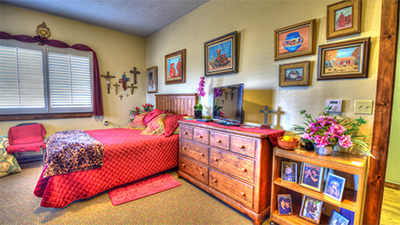
Respite care lets you see how your loved one actually reacts to the environment, not just how you imagine they might. A person who always said they disliked "organizations" might amaze you by prospering in a hectic memory unit with lots of people to watch and personnel constantly reoccuring. Somebody you assumed would like a little home might, in practice, feel restricted or extremely watched.
Respite likewise offers you a glimpse behind the marketing. You will see how personnel handle personal care, how they react in the evening, and how they interact with you. Take note of your own tension level throughout the respite period. Do you find yourself able to sleep and believe directly once again, since you rely on the setting? Or do you feel continuously on edge, inspecting your phone, worried about what might be happening?
Even a week of respite can clarify your instincts more than any variety of website reviews.
An easy contrast at a glance
The subtleties matter more than any chart, however a structured comparison can assist organize your thoughts.
|Element|Cottage-style memory care|Large locked memory unit|| -----------------------------|--------------------------------------------------------|-----------------------------------------------------------|| Common size|8 to 20 residents|25 to 60+ locals|| Atmosphere|Peaceful, home-like, domestic regimens|Busier, more institutional, diverse activities|| Staffing design|Small, multi-tasking team|Layered teams, more specified clinical roles|| Medical infrastructure|Limited on-site nursing, counts on visiting services|Most likely to have 24/7 nursing and scientific assistance|| Security feel|Subtle, backyard and doors secured however less prominent|Obvious locked doors, bigger walking circuits|| Activities|Informal, centered on home and small group life|Formal calendars, larger groups, going to performers|| Finest fit propensities|Early to mid-stage, prefers quiet familiarity|Mid to late-stage, intricate needs or need for more backup|
Use this as a beginning point, not a verdict. The real choice lies in matching these tendencies with the real person you love.
Questions to ask when you tour
To keep the list restriction, here is one concise list that frequently helps households remain focused throughout tours. Write these down and ask in your own words.
How lots of residents live here, and how many staff are on responsibility days, evenings, and nights? What is your personnel turnover like, and how long has your average caregiver been here? Can you explain a common day for somebody with my loved one's level of dementia? How do you handle a resident who ends up being agitated, aggressive, or tries to leave? What medical problems can you handle on-site, and when do you call 911 or send to the hospital?Listen not simply to the content of the responses, however to the self-confidence and specificity. Vague or defensive replies are as telling as clear, well-grounded ones.
Red flags that matter more than developing style
Families sometimes become so focused on selecting in between home and big system that they ignore more standard quality problems. In practice, there are cautioning signs that need to offer you stop briefly regardless of setting.
When you stroll onto the unit, take note of odor and noise. Periodic smells in a memory care environment are inevitable. Persistent, strong urine or feces smells tell you that standard care is not keeping up. Likewise, periodic cries or distressed voices are normal. A constant chorus of shouting, unattended calls for assistance, or staff speaking dramatically to residents shows deeper issues.
Watch how personnel engage with residents when they do not know they are being observed. Do they resolve people by name, at eye level, in a calm tone? Or do they hurry, discuss them, or ignore them while concentrating on tasks? In a strong neighborhood, personnel appear emotionally present even when busy. In a struggling one, you will pick up a kind of numbness.
Look at residents' grooming and clothing. Are individuals clean, hair brushed, correctly dressed for the season? Or do you see mismatched shoes, food discolorations, neglected hair? Little details in personal look show the day-to-day thoroughness of care.
Finally, note how the management communicates with you. Responsive, transparent leaders frequently supervise much better care. If you discover it hard to get clear responses during the sales stage, it seldom improves later.
Matching setting to individual: a couple of real-world patterns
Every story is special, however specific patterns surface frequently.
The previous homemaker who constantly kept a meticulous family and valued one-on-one connection often succeeds in a home. She might happily "assist" in the kitchen area, fold napkins, and chat with the very same caregivers every day. She might feel lost or overwhelmed on a big unit with shifting faces and regular announcements.
The retired engineer with mid-stage dementia and a long history of heart problem and diabetes might fare much better in a bigger locked unit with strong medical assistance. He may gain from more structured activities targeted to different cognitive levels and from having a nurse nearby when his blood sugar level fluctuates or he experiences shortness of breath.
The person with early-onset dementia and substantial behavioral signs, including aggressiveness or serious exit-seeking, can stretch any setting. Some specialized large systems are much better geared up for such cases, with psychiatric assistance and higher staffing ratios. A small home might not have the ability to securely handle continual, intense habits throughout time, even with the very best intentions.
On the other hand, I have actually seen people with advanced dementia who were considered "hard" in a busy unit ended up being calmer in a cottage. Less individuals, softer sound levels, and a foreseeable pattern of faces decreased their triggers. They stopped hitting, stopped calling out, and started sleeping through the night. Environment, in dementia care, is not decorative. It is therapeutic.

Weighing your own limitations and values
When households speak about "the right location", they frequently focus solely on the resident. That focus is exceptional, but incomplete. Your capability as a caretaker, your range from the facility, your work schedule, and your psychological bandwidth all matter.
If you are most likely to visit daily, a smaller sized home where you can sit at the kitchen area table, pour your own coffee, and slip into the background of daily life may fit how you want to connect to your loved one from now on. It can feel more natural to sign up with a discussion in a living room than to browse a large unit's regimens and sign-in procedures.
If you live far away, work long hours, or carry other caregiving obligations, a larger center with 24/7 medical backup, social work assistance, and a broad activity program may give you more comfort. You are, in a sense, working with a team to hold what you can not physically hold every senior care day. That is not a failure. It is an acknowledgment of human limits.

The right memory care setting is the one where your loved one is as safe, comfy, and engaged as their illness enables, and where you can take a look at yourself in the mirror and say, "Given our reality, this is the most caring choice we can handle."
Allowing the decision to be "good enough"
No option totally erases the grief of needing memory care in the very first location. Even perfect care does not reverse dementia. What it can do is soften the edges of the disease, decrease avoidable suffering, and safeguard relationships.
When you stand at the fork in between cottage-style homes and big locked units, remember that you are not choosing in between love and desertion, or between home and institution. You are choosing in between two different methods of wrapping assistance around a vulnerable brain and body.
Visit personally. Ask difficult questions. Usage respite care if you can. Weigh stage of illness, medical requirements, personality, and your own limits. Then pick the setting that finest matches those truths, not the one that most flatters your ideals.
Memory care, at its best, is not about buildings at all. It has to do with individuals: your loved one, the staff who will look after them, and you, learning how to enjoy from a different range than previously. Whether in an intimate cottage or a bigger secured system, that shared humanity matters more than any architectural style.
Business Name: BeeHive Homes of Four Hills
Address: 13450 Wenonah Ave SE, Albuquerque, NM 87123
Phone: (505) 221-6400
BeeHive Homes of Four Hills
Beehive Homes assisted living care is ideal for those who value their independence but require help with some of the activities of daily living. Residents enjoy 24-hour support, private bedrooms with baths, medication monitoring, home-cooked meals, housekeeping and laundry services, social activities and outings, and daily physical and mental exercise opportunities. Beehive Homes memory care services accommodates the growing number of seniors affected by memory loss and dementia. Beehive Homes offers respite (short-term) care for your loved one should the need arise. Whether help is needed after a surgery or illness, for vacation coverage, or just a break from the routine, respite care provides you peace of mind for any length of stay.
13450 Wenonah Ave SE, Albuquerque, NM 87123
Business Hours
Monday thru Sunday: 9:00am to 5:00pm
TikTok: https://www.tiktok.com/@beehive4hills
YouTube: https://www.youtube.com/@WelcomeHomeBeeHiveHomes
Facebook: https://www.facebook.com/beehivehomesoffourhills
Instagram: https://www.instagram.com/beehivehomesfourhills/
BeeHive Homes of Four Hills provides assisted living care
BeeHive Homes of Four Hills provides memory care services
BeeHive Homes of Four Hills provides respite care services
BeeHive Homes of Four Hills supports assistance with bathing and grooming
BeeHive Homes of Four Hills offers private bedrooms with private bathrooms
BeeHive Homes of Four Hills provides medication monitoring and documentation
BeeHive Homes of Four Hills serves dietitian-approved meals
BeeHive Homes of Four Hills provides housekeeping services
BeeHive Homes of Four Hills provides laundry services
BeeHive Homes of Four Hills offers community dining and social engagement activities
BeeHive Homes of Four Hills features life enrichment activities
BeeHive Homes of Four Hills supports personal care assistance during meals and daily routines
BeeHive Homes of Four Hills promotes frequent physical and mental exercise opportunities
BeeHive Homes of Four Hills provides a home-like residential environment
BeeHive Homes of Four Hills creates customized care plans as residents’ needs change
BeeHive Homes of Four Hills assesses individual resident care needs
BeeHive Homes of Four Hills accepts private pay and long-term care insurance
BeeHive Homes of Four Hills assists qualified veterans with Aid and Attendance benefits
BeeHive Homes of Four Hills encourages meaningful resident-to-staff relationships
BeeHive Homes of Four Hills delivers compassionate, attentive senior care focused on dignity and comfort
BeeHive Homes of Four Hills has a phone number of (505) 221-6400
BeeHive Homes of Four Hills has an address of 13450 Wenonah Ave SE, Albuquerque, NM 87123
BeeHive Homes of Four Hills has a website https://beehivehomes.com/locations/four-hills/
BeeHive Homes of Four Hills has Google Maps listing https://maps.app.goo.gl/32p1Aa3RPZqoYGBS7
BeeHive Homes of Four Hills has TikTok page https://www.tiktok.com/@beehive4hills
BeeHive Homes of Four Hills has an YouTube page https://www.youtube.com/@WelcomeHomeBeeHiveHomes
BeeHive Homes of Four Hills has Facebook page https://www.facebook.com/beehivehomesoffourhills
BeeHive Homes of Four Hills has Instagram page https://www.instagram.com/beehivehomesfourhills/
BeeHive Homes of Four Hills won Top Assisted Living Homes 2025
BeeHive Homes of Four Hills earned Best Customer Service Award 2024
BeeHive Homes of Four Hills placed 1st for New Mexico Senior Living Communities 2025
People Also Ask about BeeHive Homes of Four Hills
What is BeeHive Homes of Four Hills Living monthly room rate?
The rate depends on the level of care that is needed. We do a pre-admission evaluation for each resident to determine the level of care needed. The monthly rate is based on this evaluation. There are no hidden costs or fees
Can residents stay in BeeHive Homes of Four Hills until the end of their life?
Usually yes. There are exceptions, such as when there are safety issues with the resident, or they need 24 hour skilled nursing services
Do we have a nurse on staff?
No, but each BeeHive Home has a consulting Nurse available 24 – 7. if nursing services are needed, a doctor can order home health to come into the home
What are BeeHive Homes of Four Hills's visiting hours?
Visiting hours are adjusted to accommodate the families and the resident’s needs… just not too early or too late
Do we have couple’s rooms available?
Yes, each home has rooms designed to accommodate couples. Please ask about the availability of these rooms
Where is BeeHive Homes of Four Hills located?
BeeHive Homes of Four Hills is conveniently located at 13450 Wenonah Ave SE, Albuquerque, NM 87123. You can easily find directions on Google Maps or call at (505) 221-6400 Monday through Sunday 9:00am to 5:00pm
How can I contact BeeHive Homes of Four Hills?
You can contact BeeHive Homes of Four Hills by phone at: (505) 221-6400, visit their website at https://beehivehomes.com/locations/four-hills/ or connect on social media via TikTok Facebook or YouTube
Sadie's offers traditional New Mexican cuisine where residents in assisted living, memory care, senior care, elderly care, and respite care can enjoy relaxed meals with family.